A Native Oregonian’s Study of the Deepest Lake in America: 46 Years on the Rim
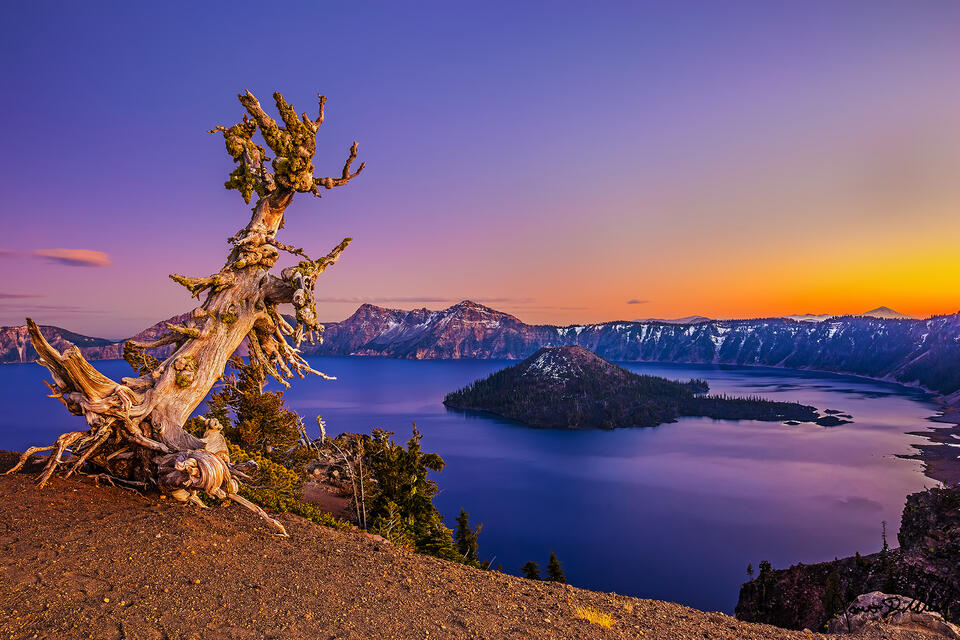
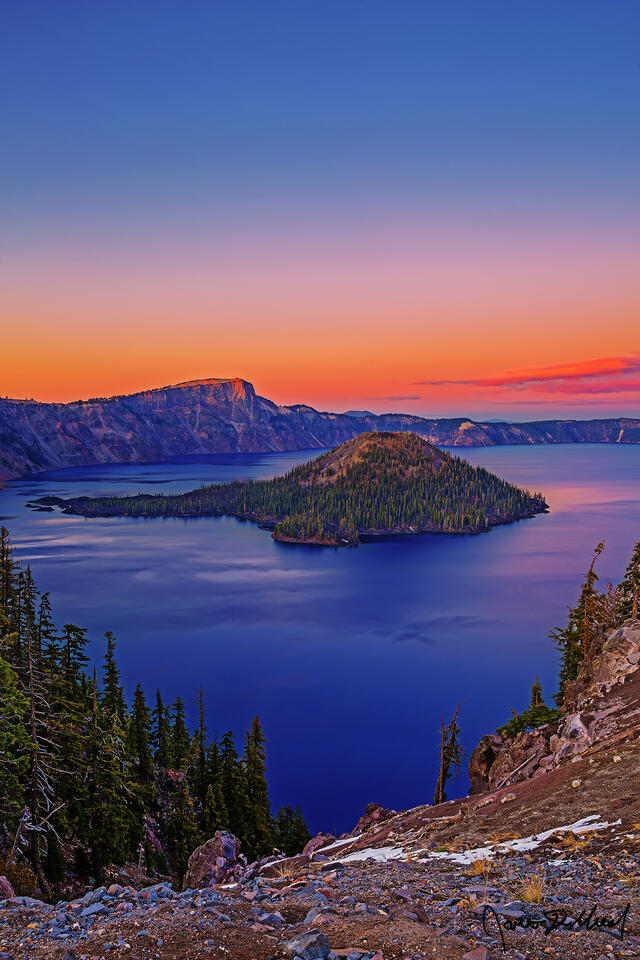
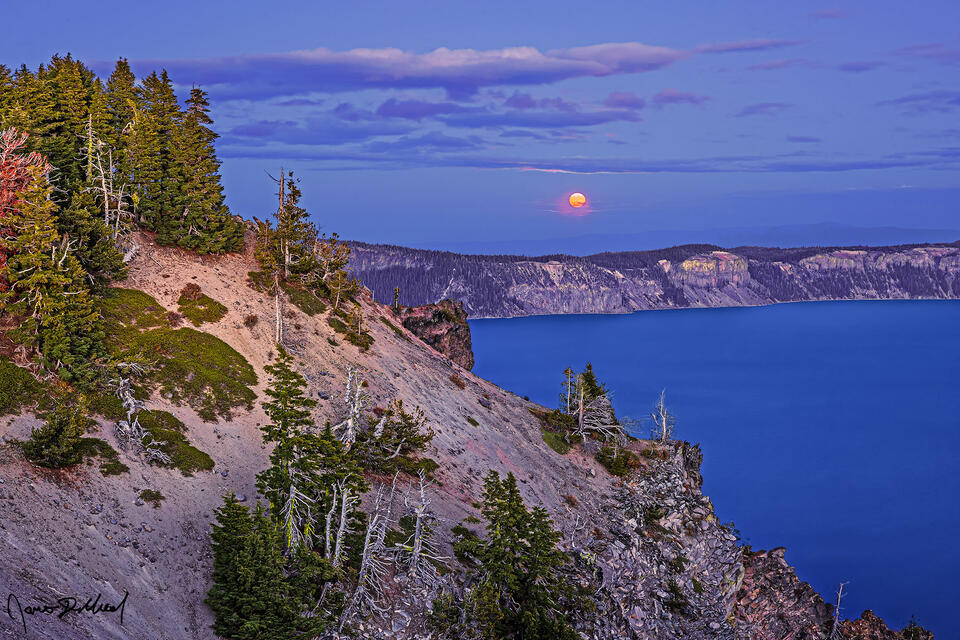
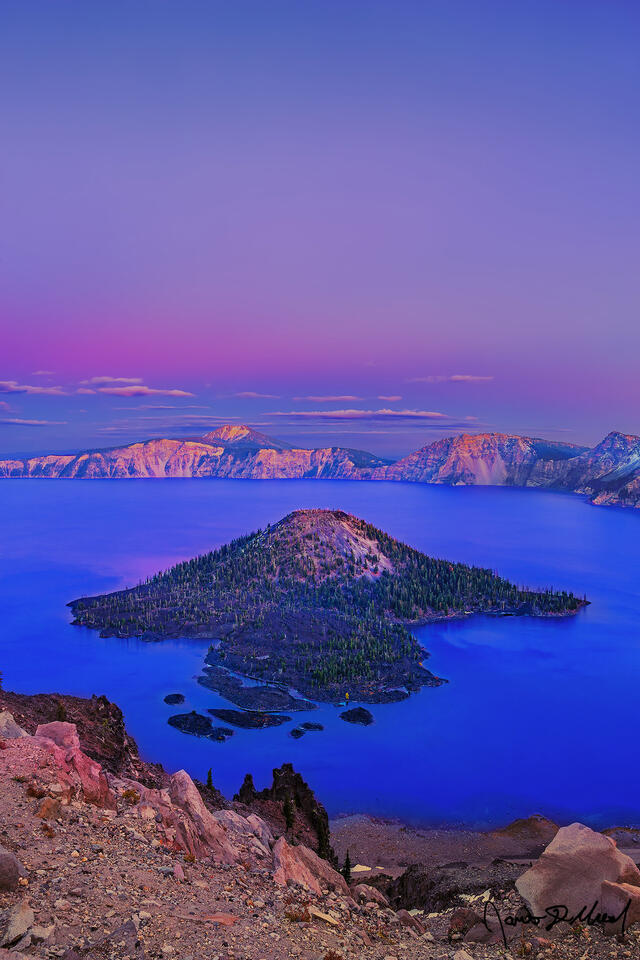
As a lifelong Oregonian with over four decades spent here, I have spent most of my life visiting Crater Lake. For almost 20 years, I have documented the magical landscape from every conceivable angle and location as a full time fine art professional landscape photographer. There's not a view here I haven't witnessed, yet each time I visit I am swept away, amazed by the same unparalleled beauty and solitude that captivated me the very first time I laid eyes on magnificent place. People often ask me if the water here truly is that deep cobalt blue and the answer is yes, the water of Crater Lake really is that deep cobalt blue. Witnessing that deep blue in person is one of the most incredible things I’ve ever witnessed in a career filled with incredible moments. At sunrise and sunset, when the pastel colors come out and transform the skies, this place comes alive in an entirely new manner. If you’re lucky, you can see the pastel colors reflect off parts of the water, creating a beautiful palette of colors both above and below the rim which defies words.
From Cataclysm to Serenity: The Geology of Mount Mazama
One of my favorite this about Crater Lake has always been how incredibly unique it is. It’s not often you're able to witness nature take something as destructive as a volcanic eruption which collapsed a 12,000 foot volcano and transform it into something so incredibly serene and peaceful, yet that’s exactly what happened here at Crater Lake. Crater Lake, famous for its deep blue color, is a 1,949 foot deep lake located in the Caldera of the collapsed volcano Mount Mazama. It formed 7700 years ago when Mount Mazama violently erupted, causing the 12,000 foot volcano to collapse in on itself forming a deep caldera. Crater Lake holds the clearest lake and some of the cleanest water in the world. No water flows into or out of Crater Lake. 100% of its water is from snowmelt and rainfall, and that's one of the things which keeps it so remarkably pure.
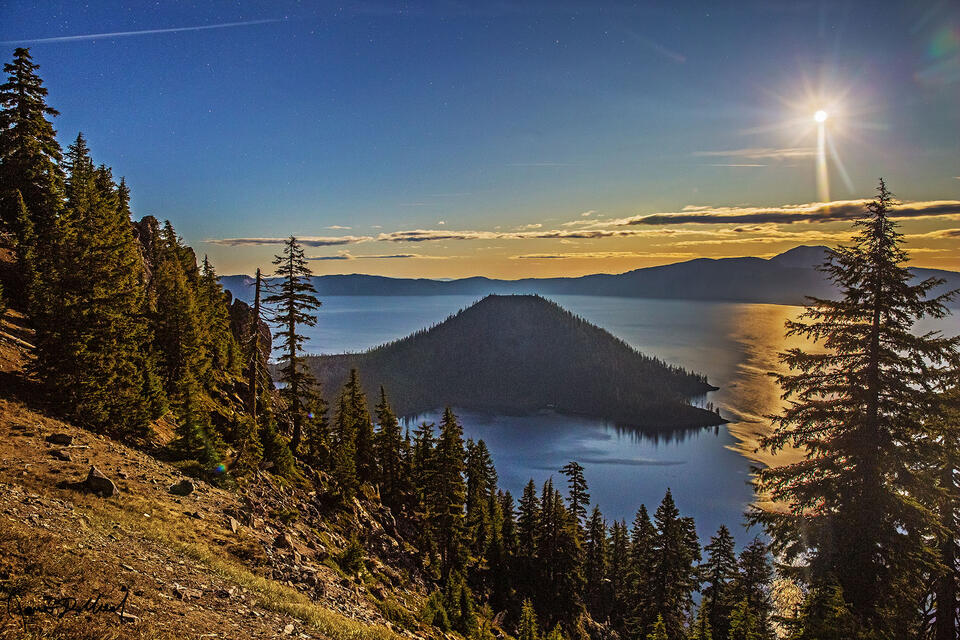
As for the lake itself, it's incredibly deep. Just how deep? Well, Crater Lake is the deepest lake in the United States, the seventh deepest lake in the world, and it is also some of the cleanest water on Earth (note: some sources list Crater Lake as 1,943 feet deep and the ninth deepest lake in the world, I have opted to use the official USGS survey data for the lake). The truly unique part of it all is that Crater Lake is still an active volcano. Wizard Island is a volcanic cinder cone located in the lake, and it’s the highest point inside the caldera. It's quite the sight to see Wizard Island rise up out of the serene waters and geology and wonder come face to face.
Cleetwood Cove: The Heart and Soul of the Lake
Crater Lake became a national Park on May 22, 1902, and although it’s Oregon’s only National Park I’ve always felt it’s one of the most unique and spectacular parks in the entire National Park system. In a state well known for its natural beauty, Crater Lake is truly a unique gem. There’s not a bad view to be had anywhere on the rim, and down in Cleetwood Cove at lake level the views are even more otherworldly and incredible. Crater Lake is a place which has always felt like Heaven. If Crater Lake is Heaven, Cleetwood Cove is its heart and soul. You're right there, standing close to 1,000 feet below the caldera rim, staring out at the ancient waters stretching 1,949 feet deep in east basin. If Heaven on Earth exists, surely this place is it. There is something incredibly humbling standing next to the waters of Crater Lake, which are among the purist waters on Earth. Time stops down here, and when you're lucky enough to have it all to yourself it’s easy to feel like you're the last one left.
Night Sky Splendors: Bortle Class 1 Skies, the Aurora Borealis and the Return of NEOWISE
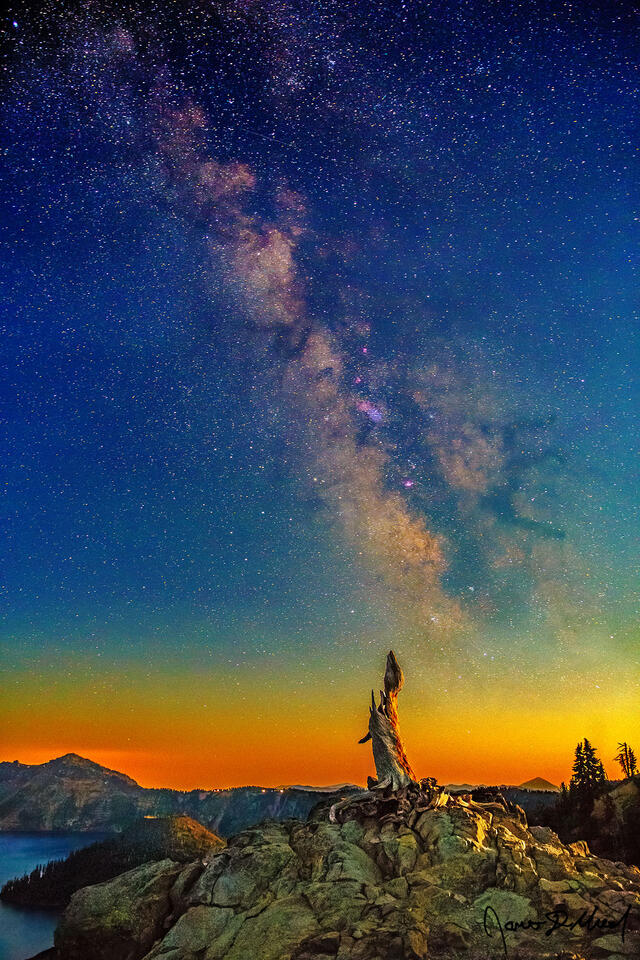
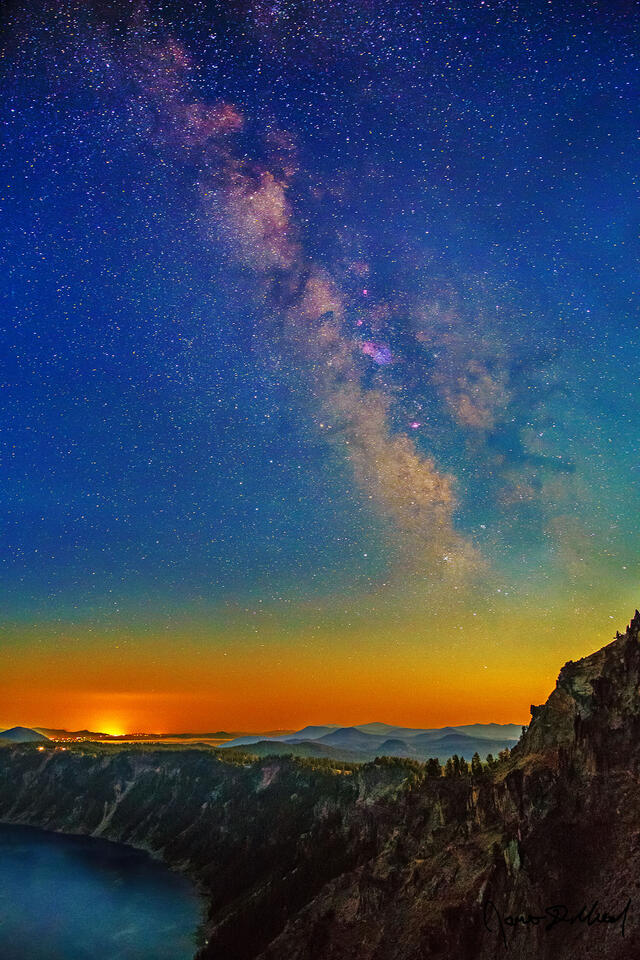
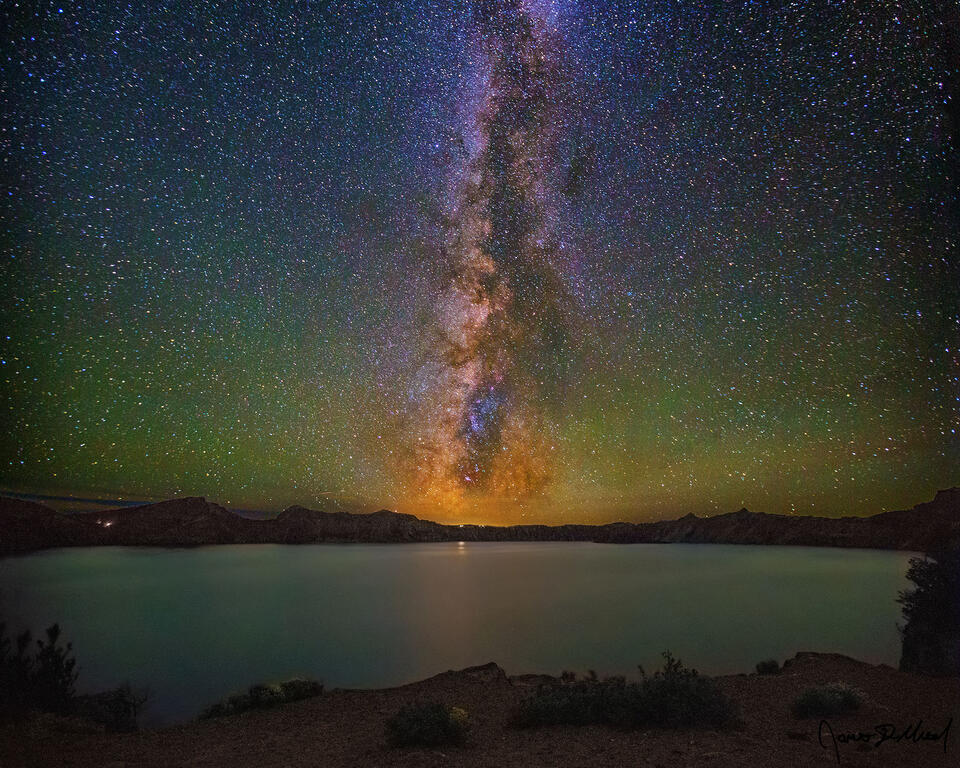
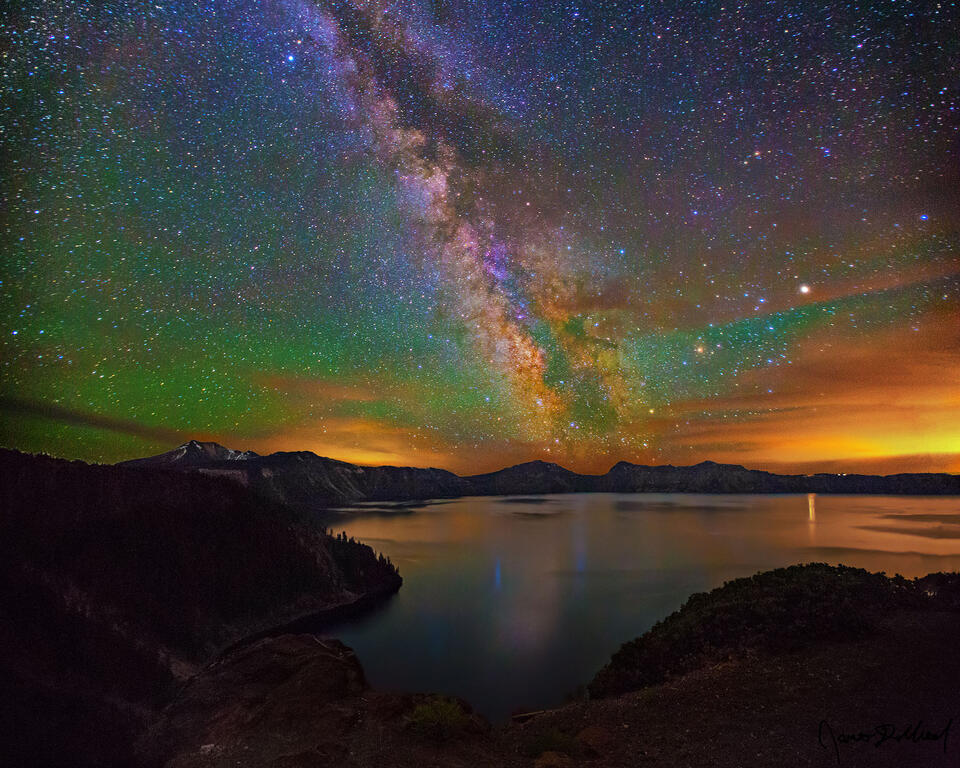
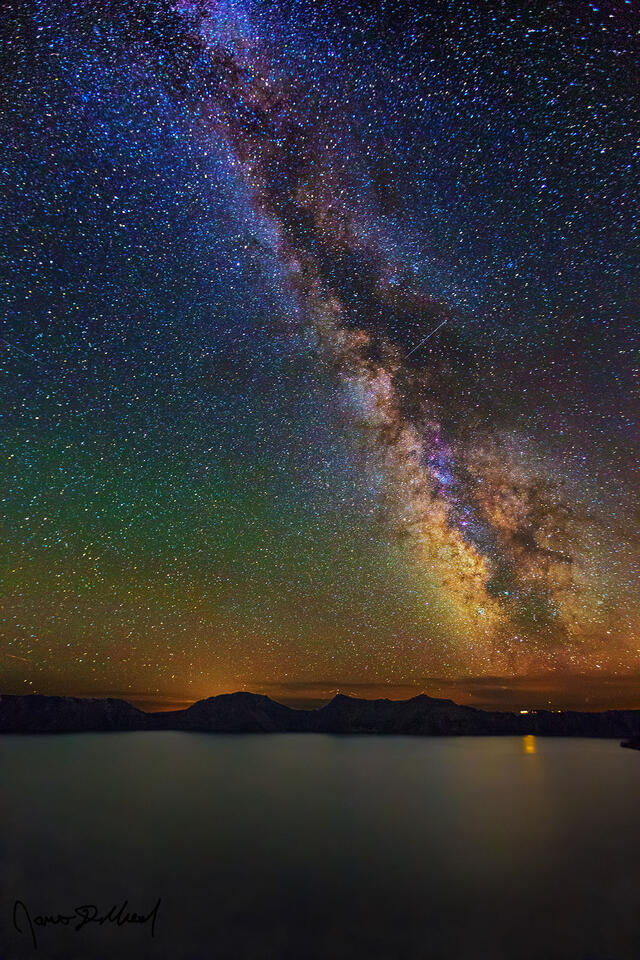
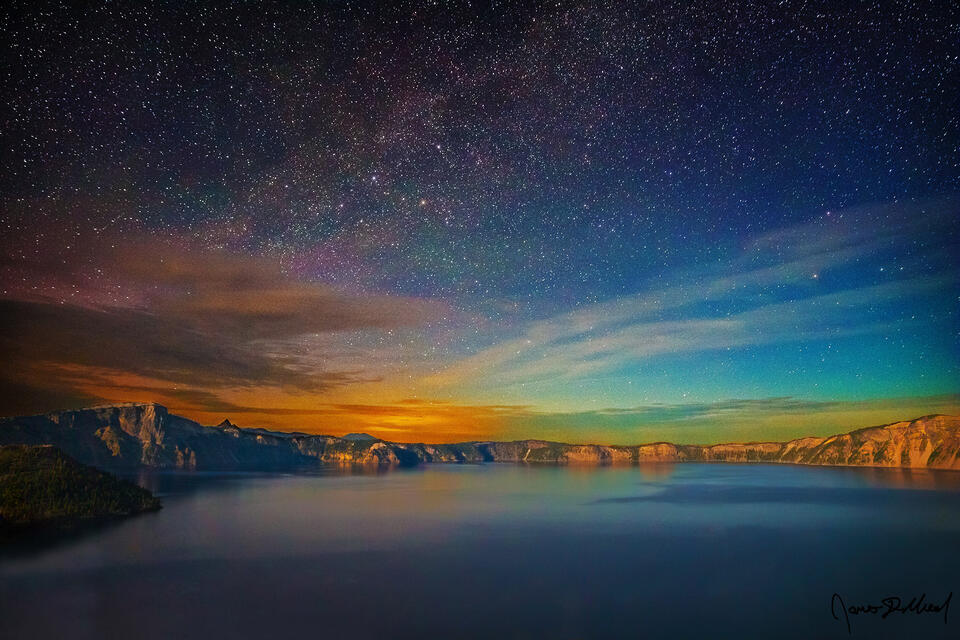
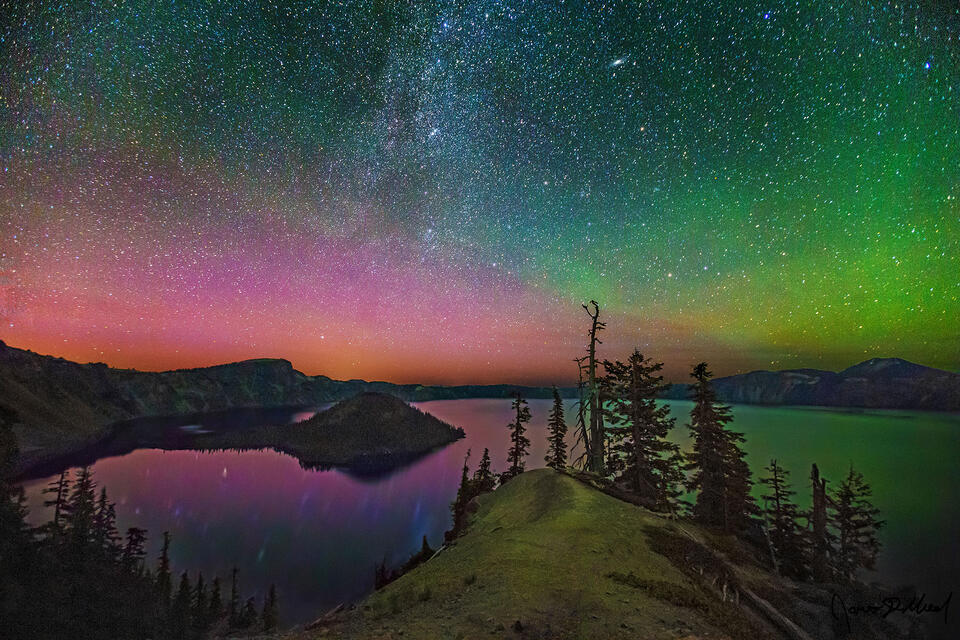
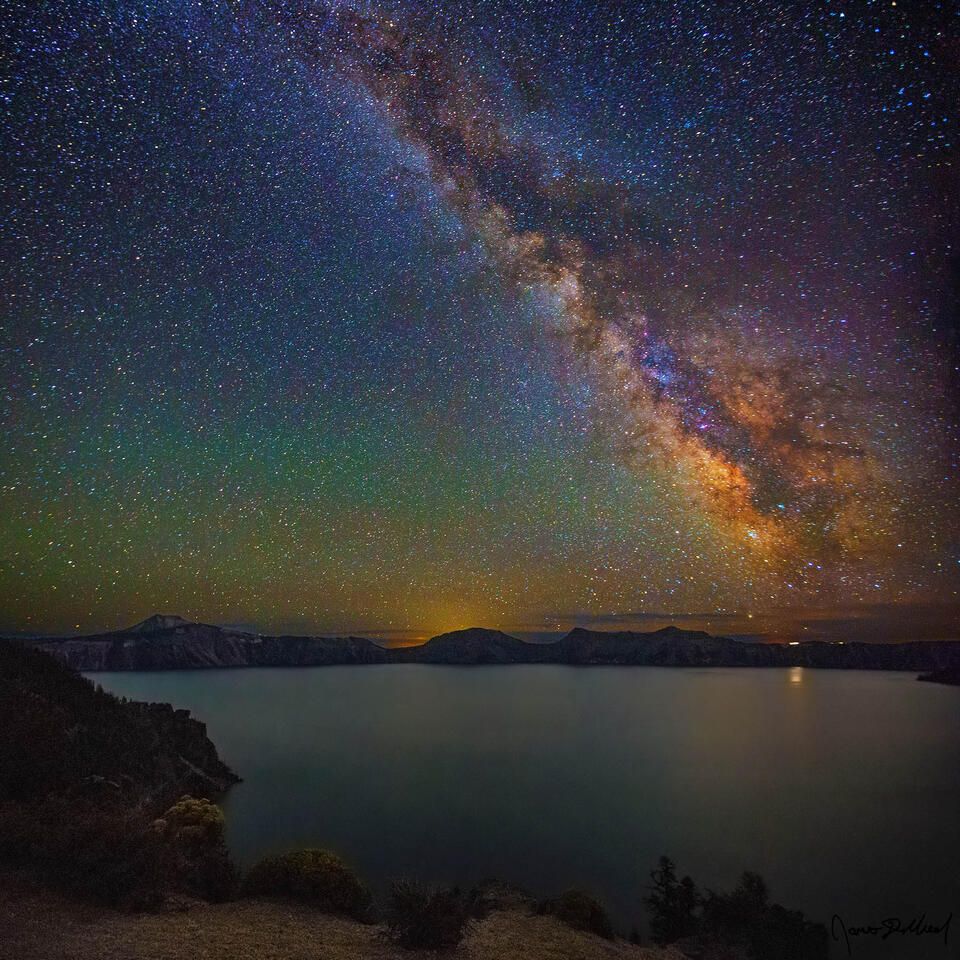
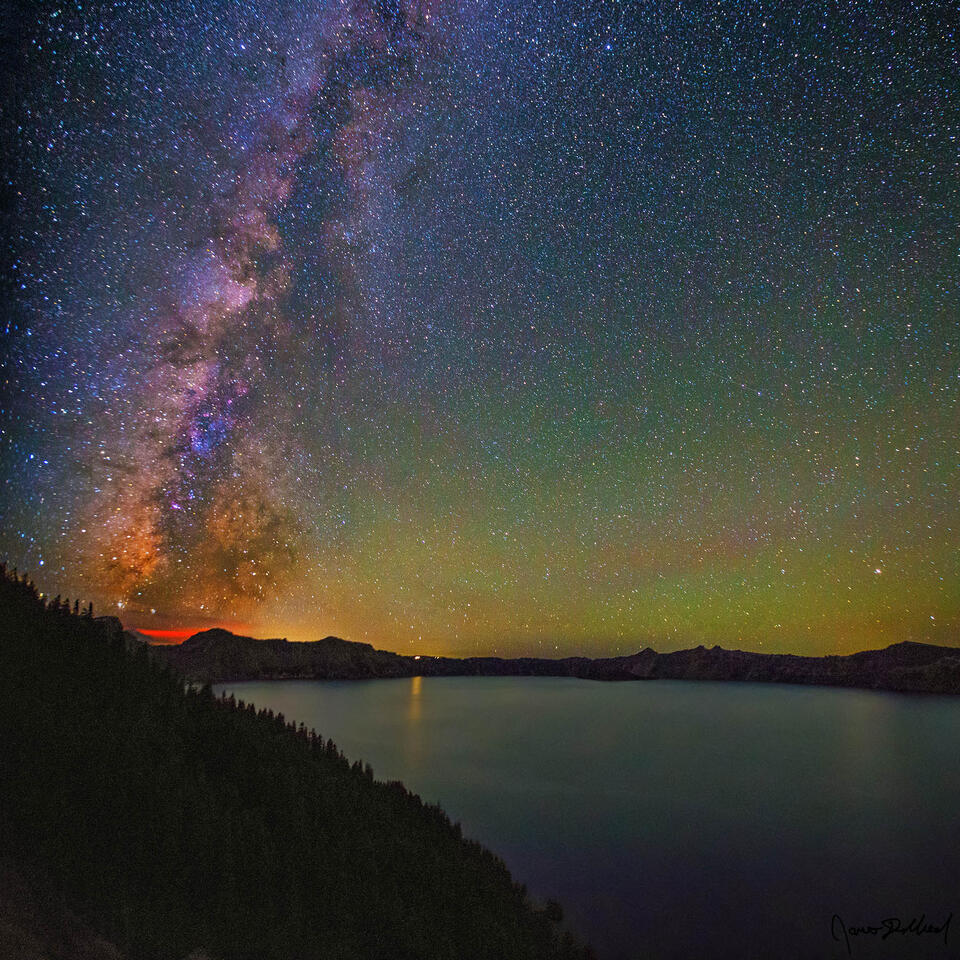
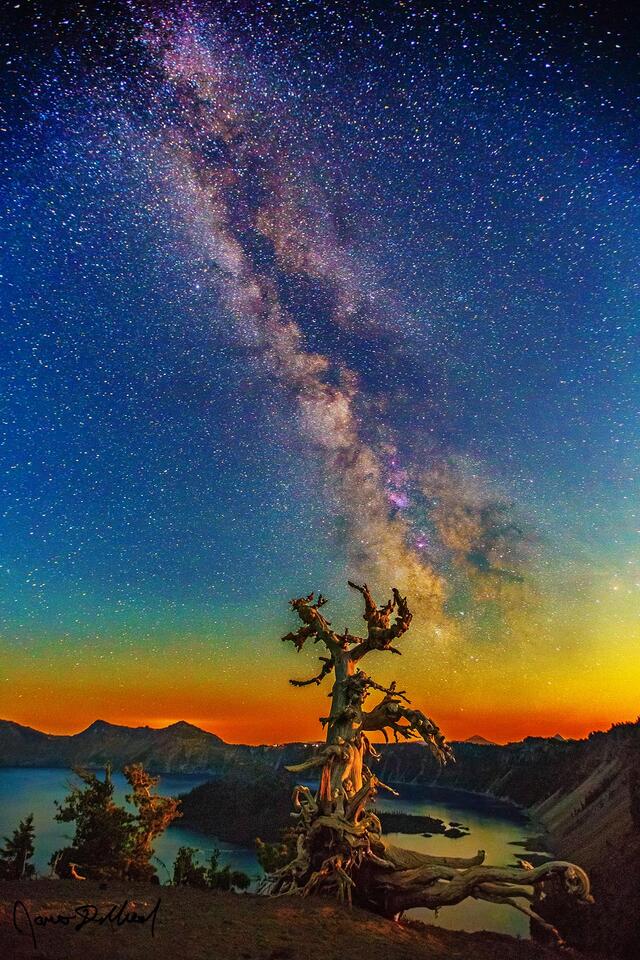
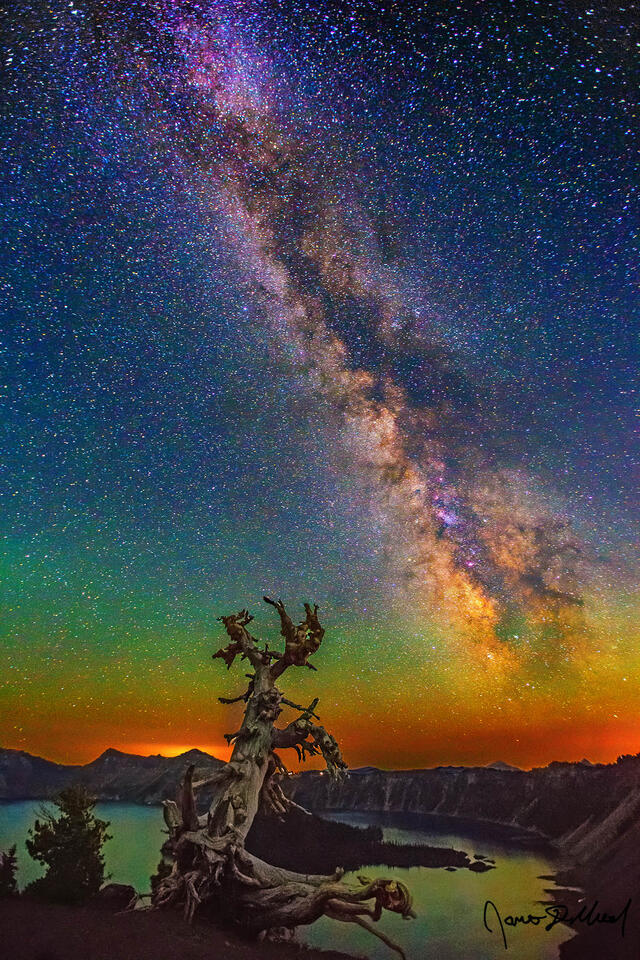
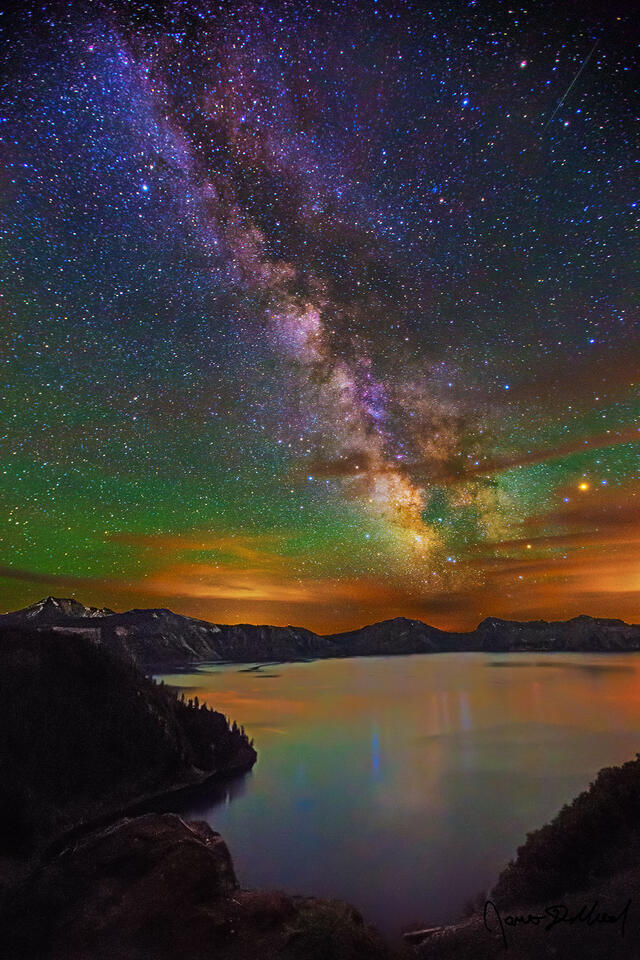
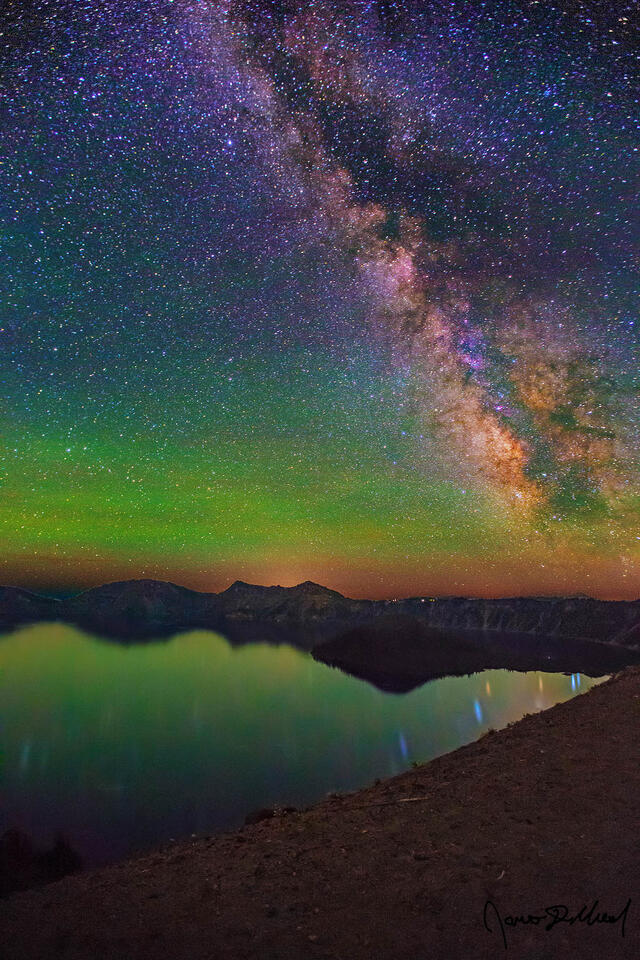
At night, Crater Lake transforms into an entirely new kind of beauty. The skies here are truly class 1 dark skies on the Bortle dark sky scale, meaning they are the darkest of the dark skies in the world. The stars twinkle overhead and the Milky Way rises towards the heavens above, and during those rare moments in the fall when all the conditions line up the Zodiacal Light can be witnessed here. When the waters of Crater Lake are still, the Milky Way and the stars can reflect in the water of the almost 6 mile wide lake (which has always been one of my favorite things to witness here).
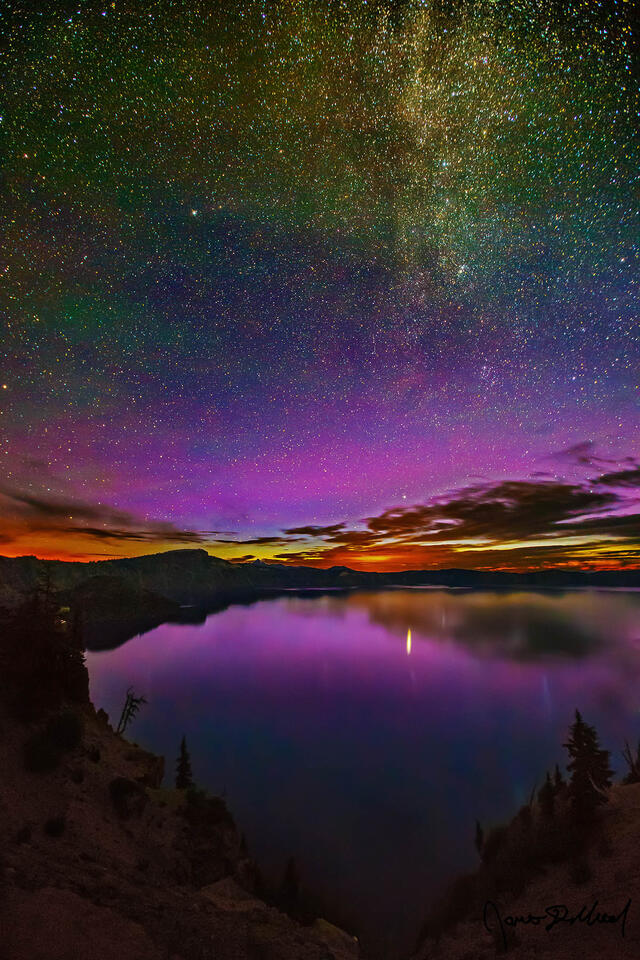
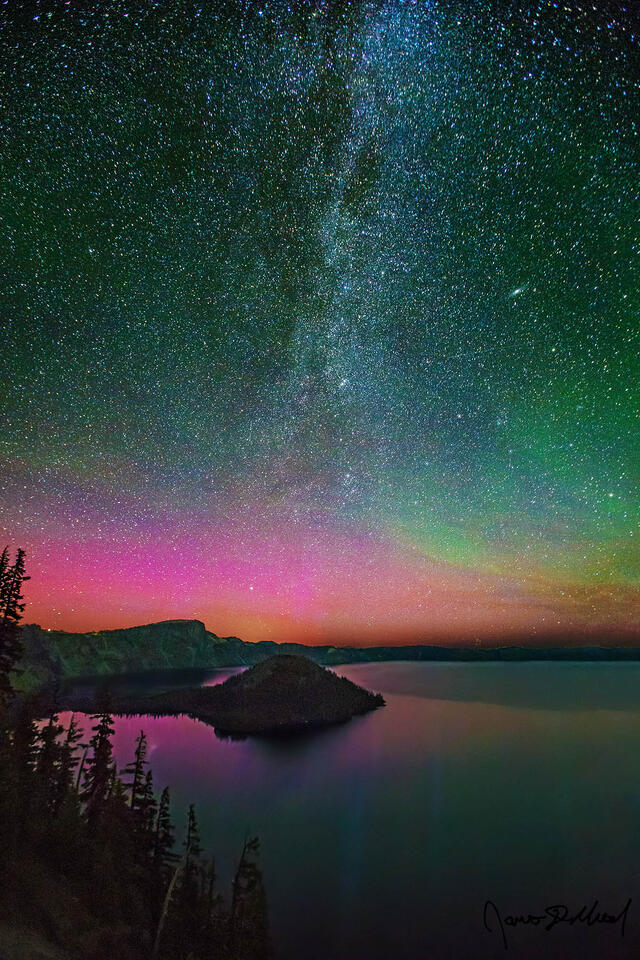
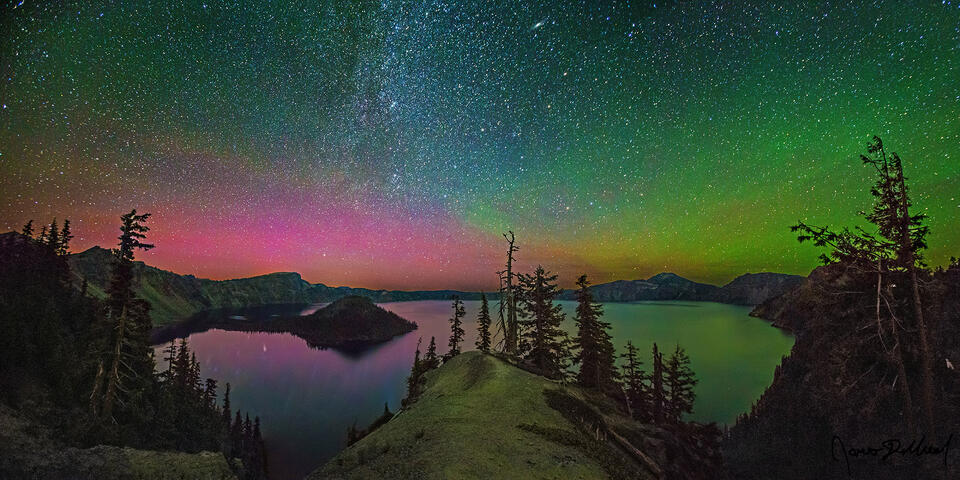
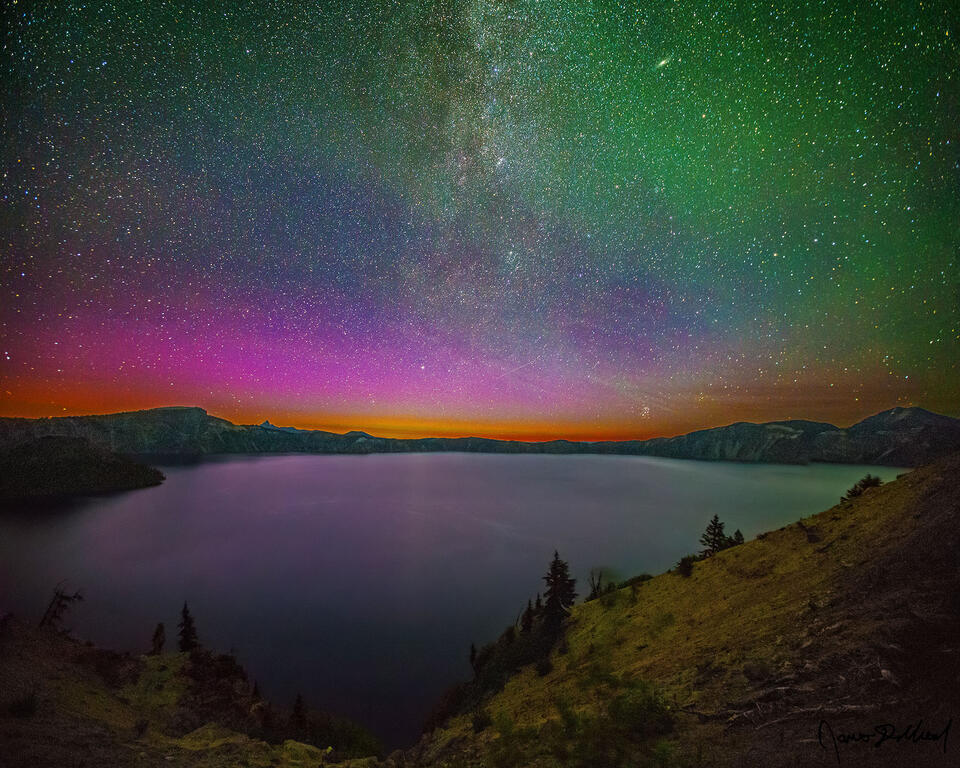
The Aurora Borealis (Northern Lights) are stunning from anywhere they are visible, but witnessing auroras from the caldera rim over the ancient waters of Crater Lake has been among my most memorable experiences here in a lifetime filled with them. Seeing the colors dance across the skies as they reflect on the waters of the lake is a moment where time stood still, which is saying something considering it’s a place where time always seems to stand still.
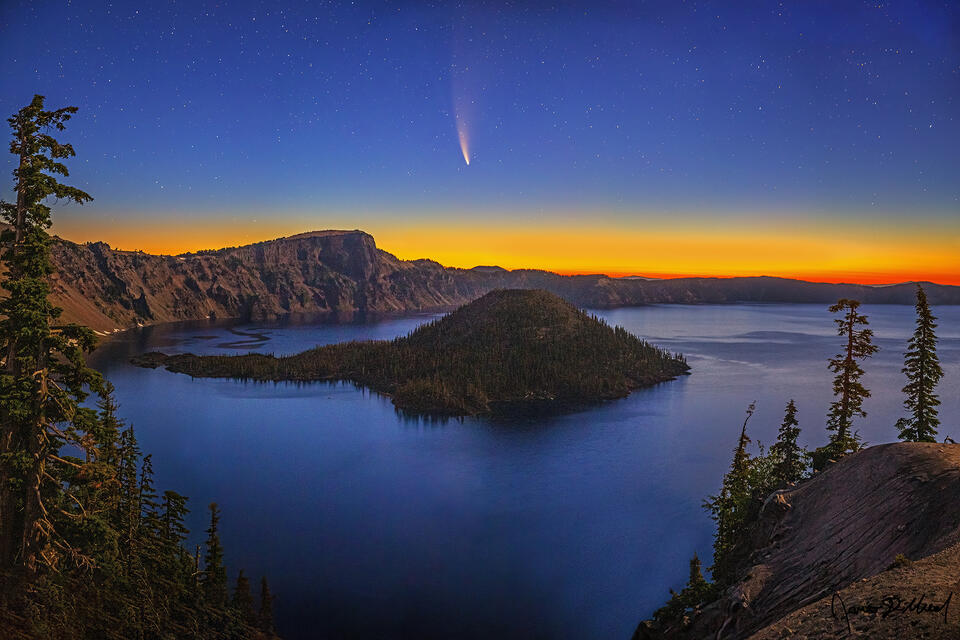
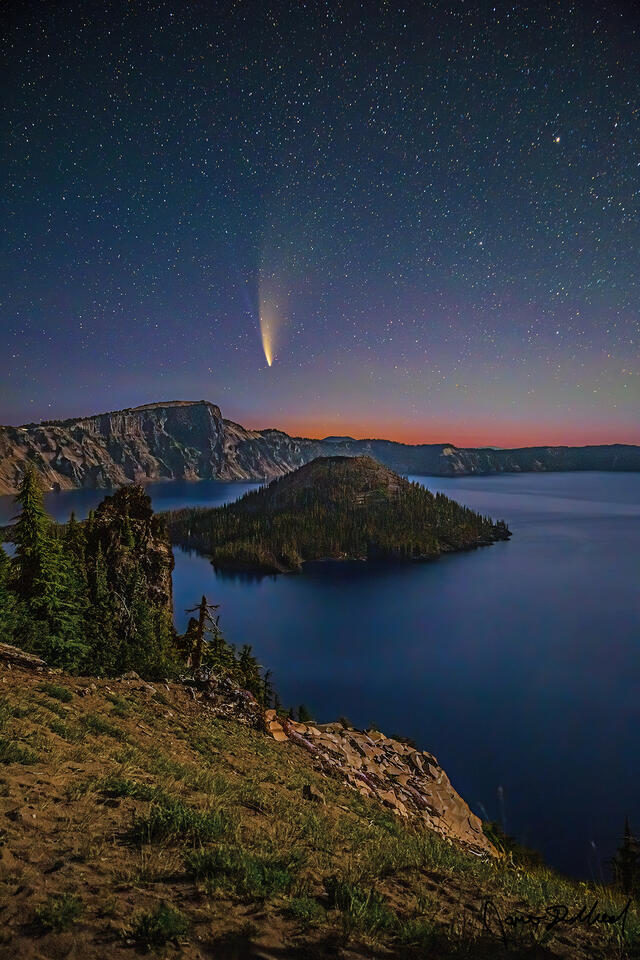
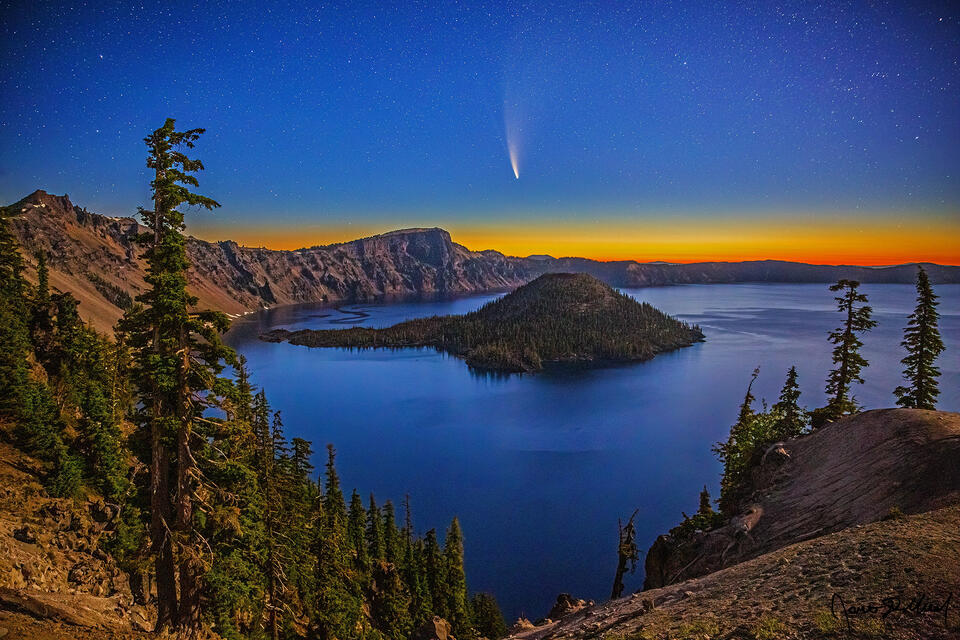
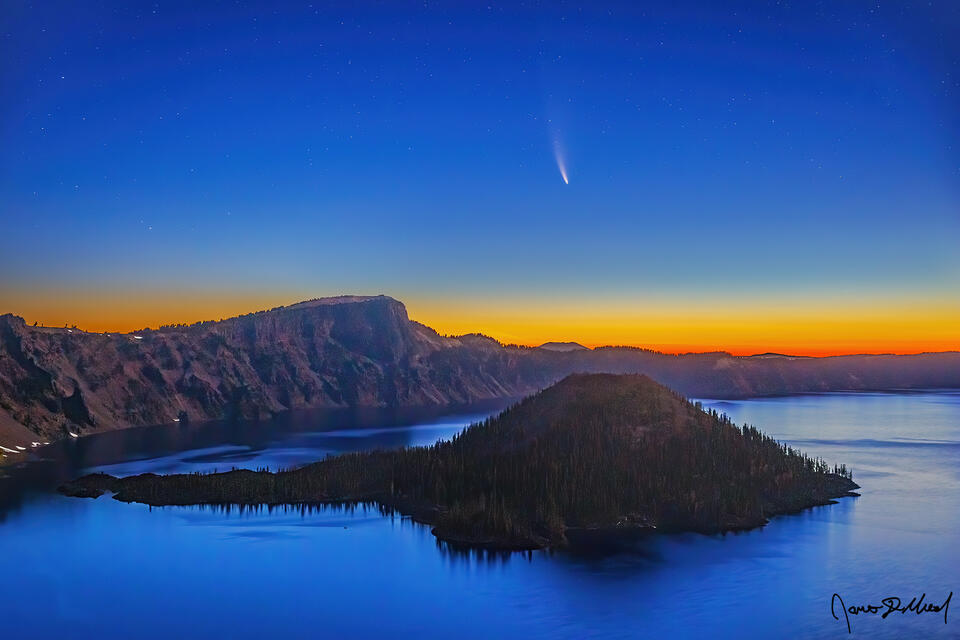
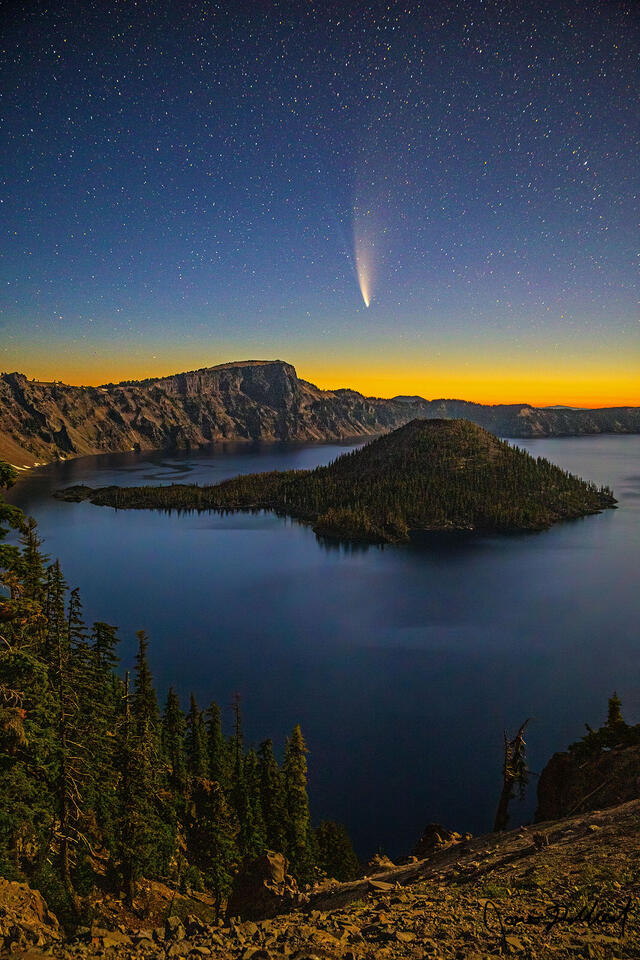
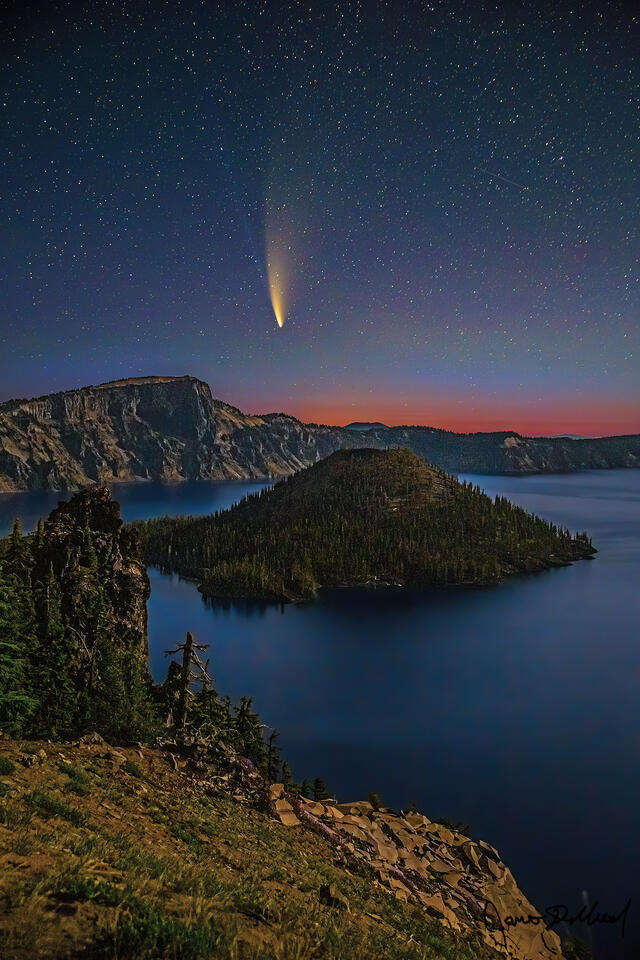
One of the highlights of my career was being able to photograph Comet NEOWISE over Crater Lake. The last time the comet made an appearance, Crater Lake was fairly young having recently formed. It was incredibly humbling to witness and photograph Comet NEOWISE as it returned to greet its old friend (Crater Lake).
Closing Thoughts: A Legacy of Peace and Serenity
Crater Lake has long been among my most favorite locations on earth. It’s such a unique beauty. It always leaves me with feelings of peace and serenity. I could spend my entire life up here and be perfectly content. I hope everyone who views my Crater Lake National Park Fine Art Photography gallery comes away feeling the same scene of peace and serenity that I have always felt here.