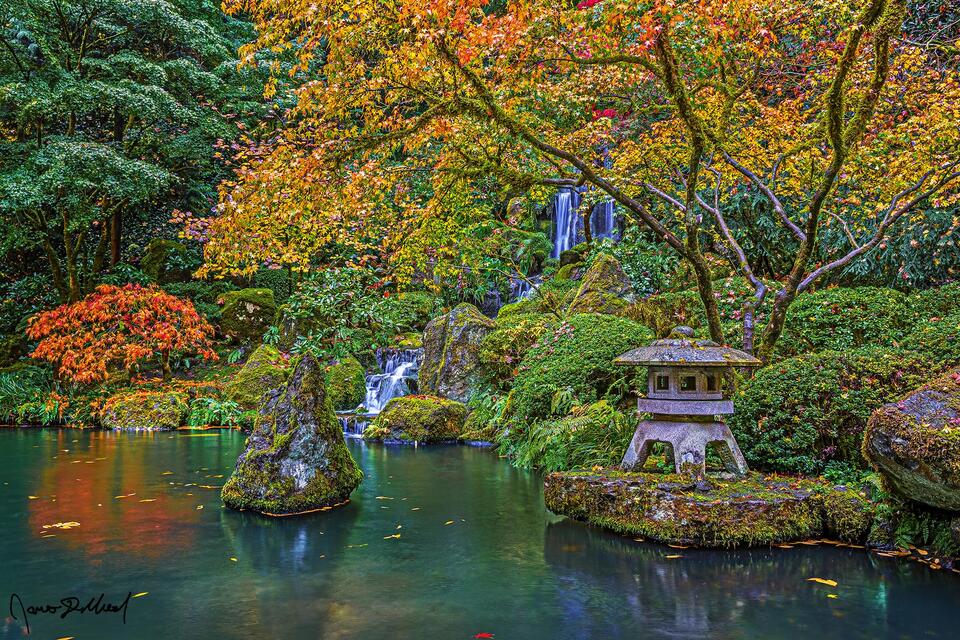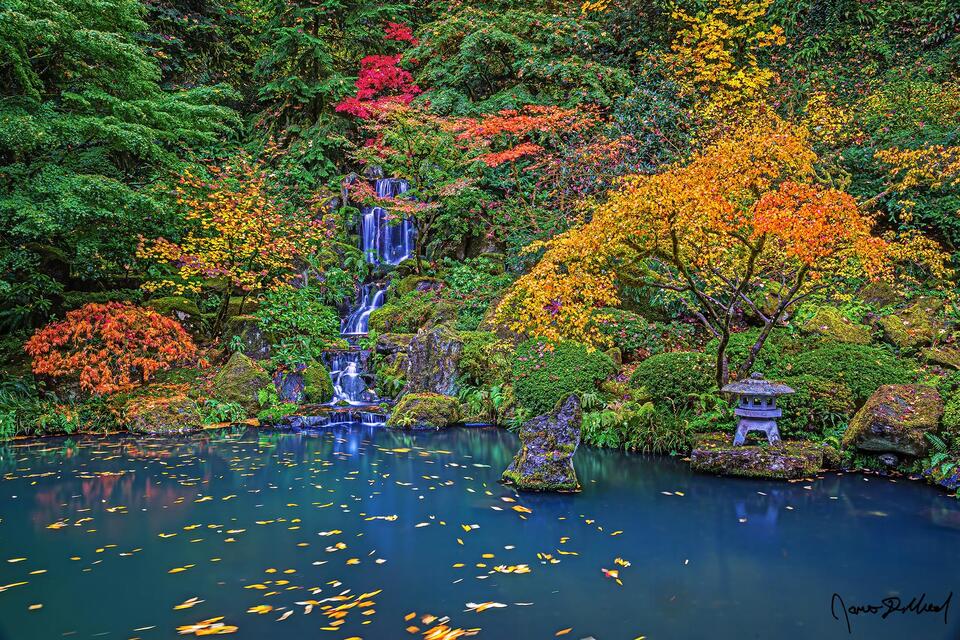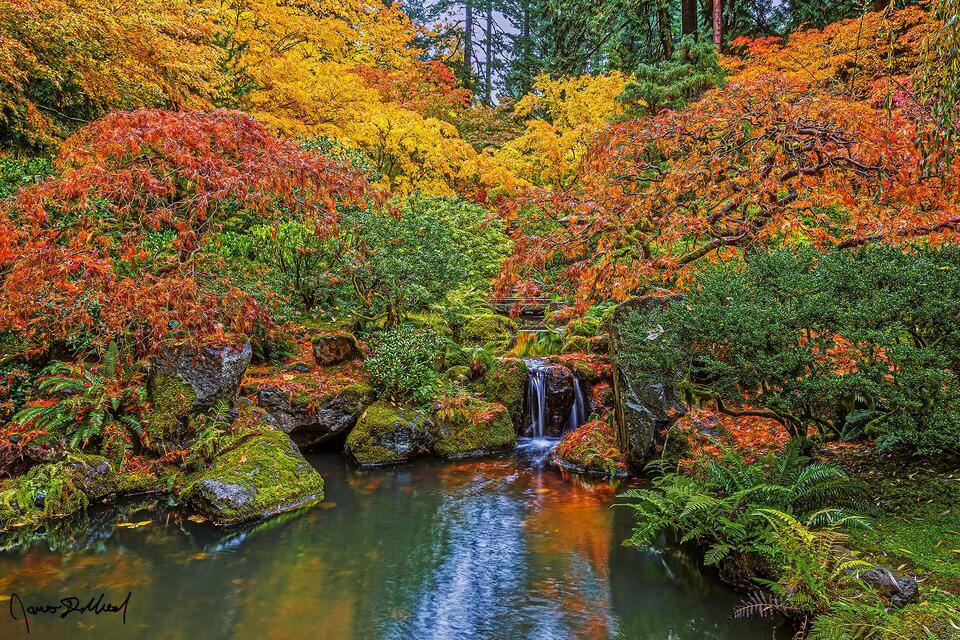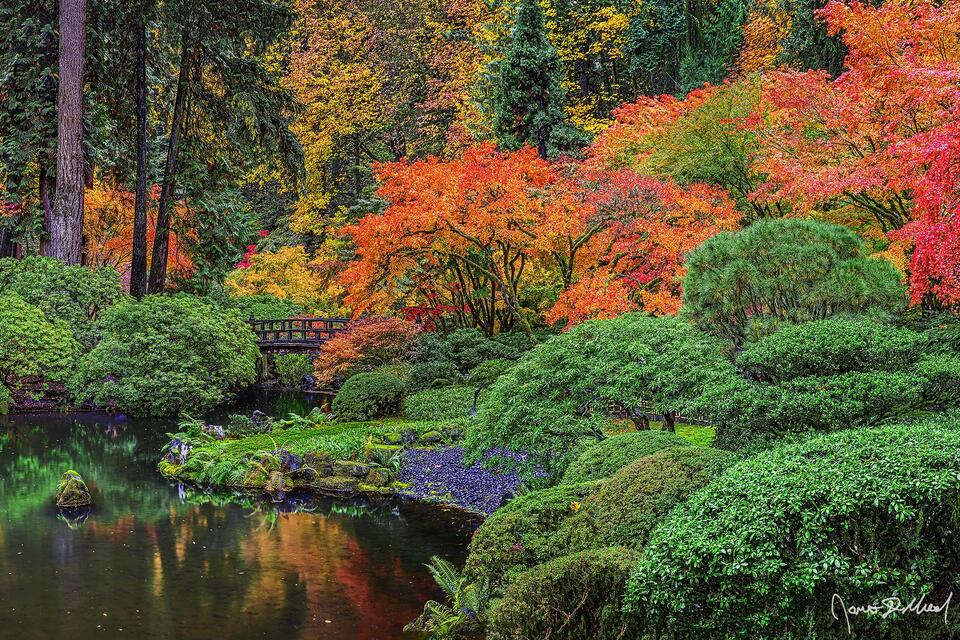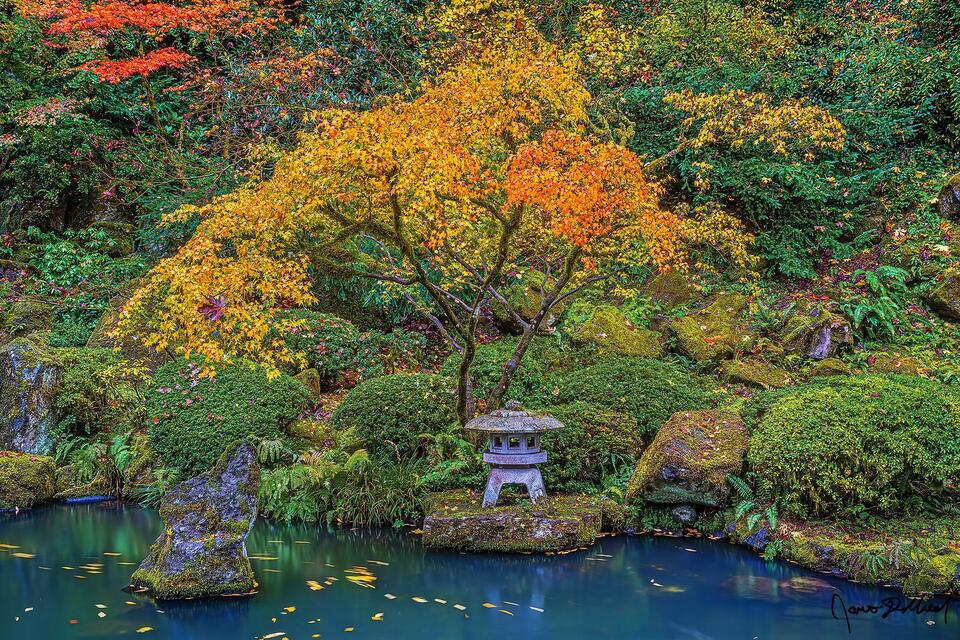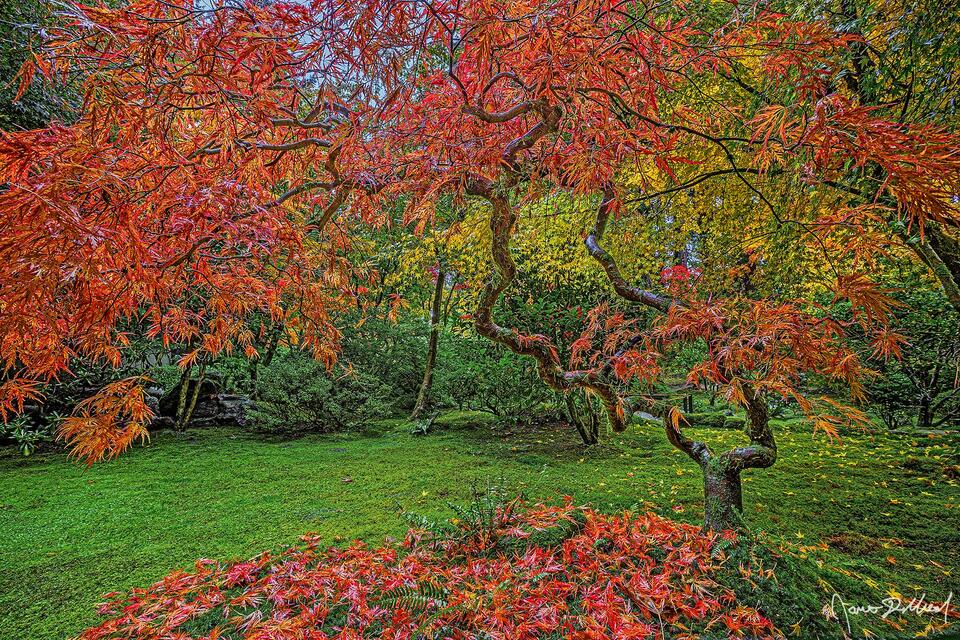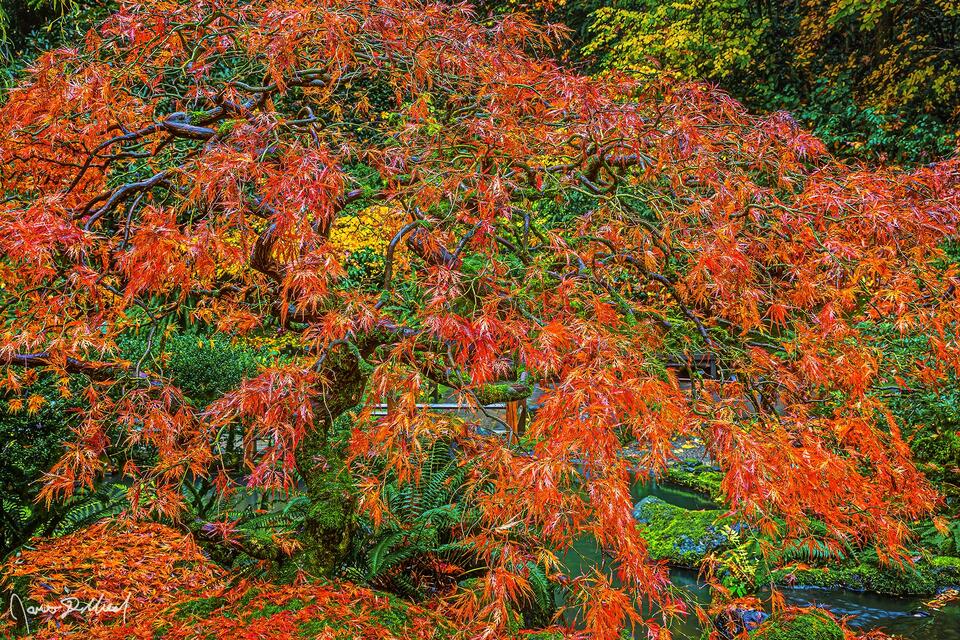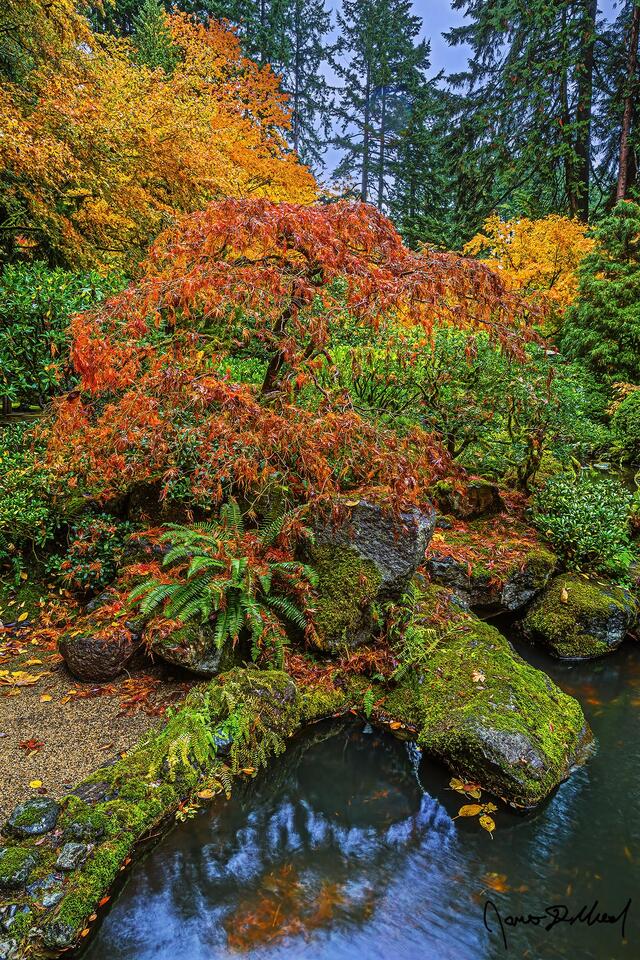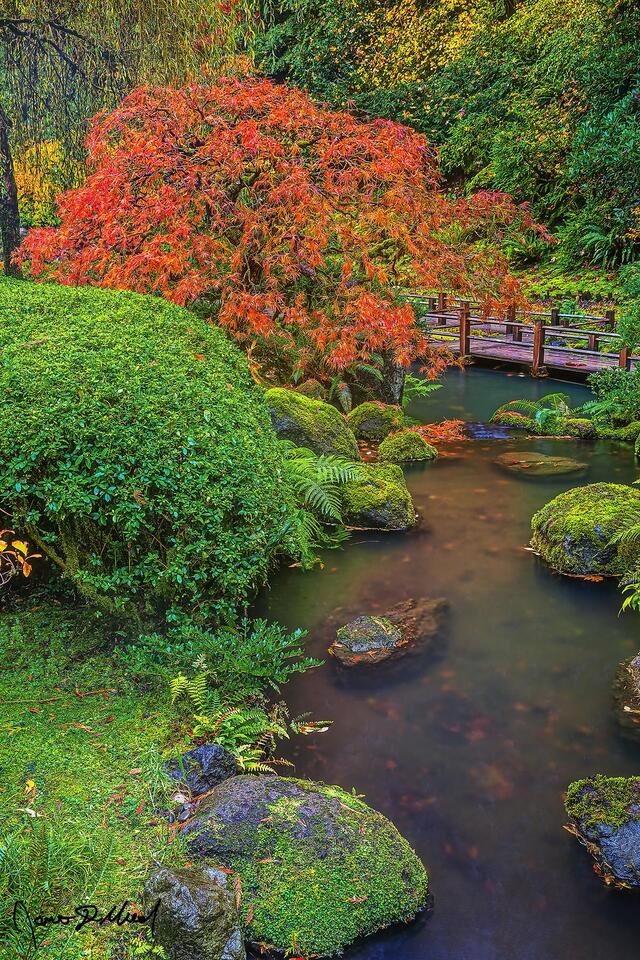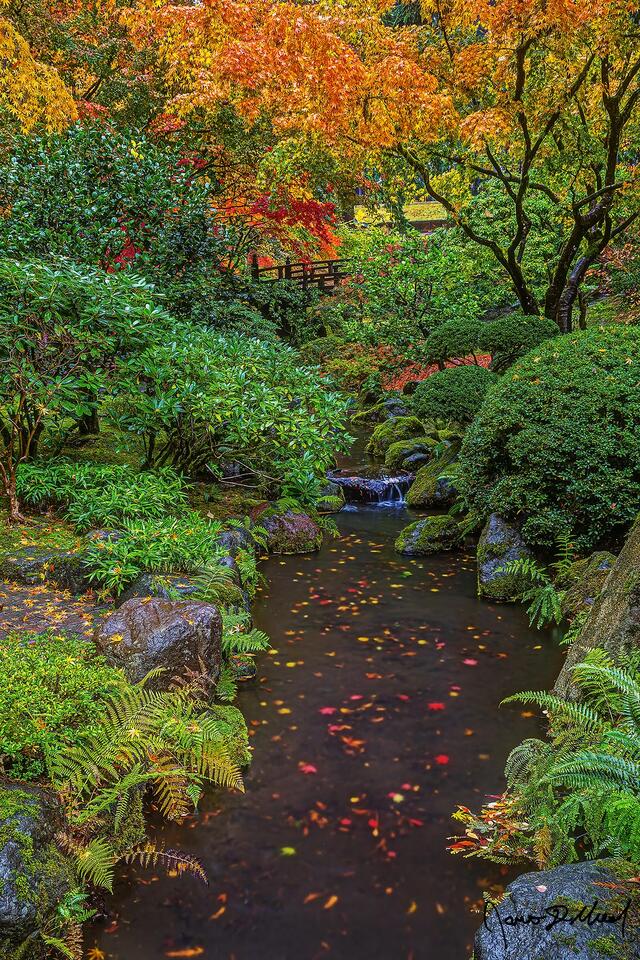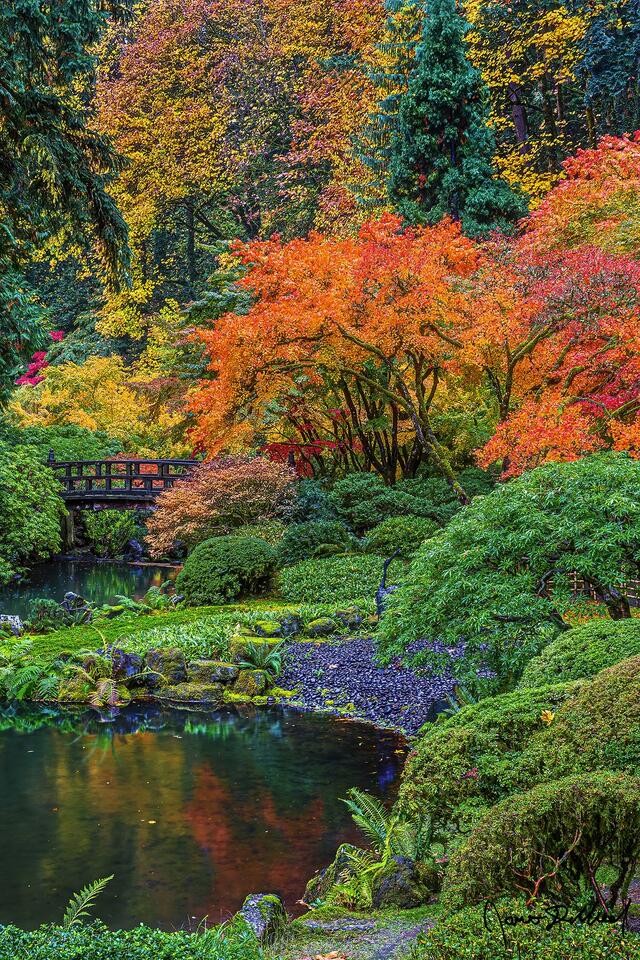
Japanese Gardens always have a feeling of peace and tranquility when visiting them. Of all the ones I’ve visited, the world famous Portland Japanese Garden is my favorite. It's considered the most authentic Japanese Garden outside of Japan, and one visit to this magnificent place easily shows why. Japanese Gardens combine aesthetics and philosophical ideas while avoiding artificial ornamentation in order to highlight the natural landscape. The first Japanese Garden was introduced in the 6th or 7th century CE, and they have been a staple ever since.
This Fine Art Japanese Garden Photography and Fine Art Japanese Maple Photography gallery aims to capture that peaceful, serene feeling these landscapes bring. As someone whose hometown is Portland, Oregon and who has lived roughly 20 minutes from the Portland Japanese Garden for over 4 decades, I have an intimate knowledge of this world famous place and its famous Japanese Maple.
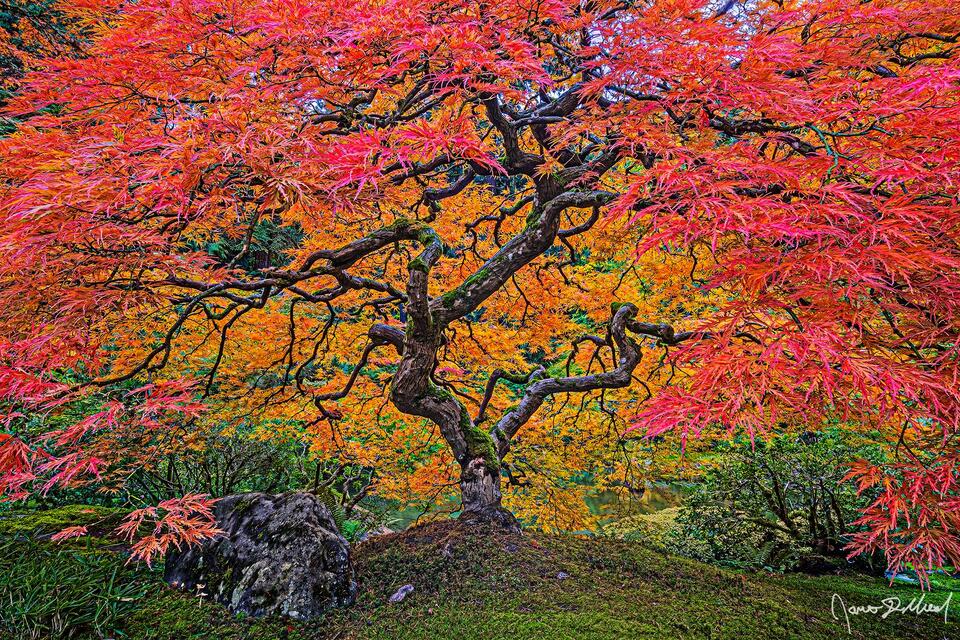
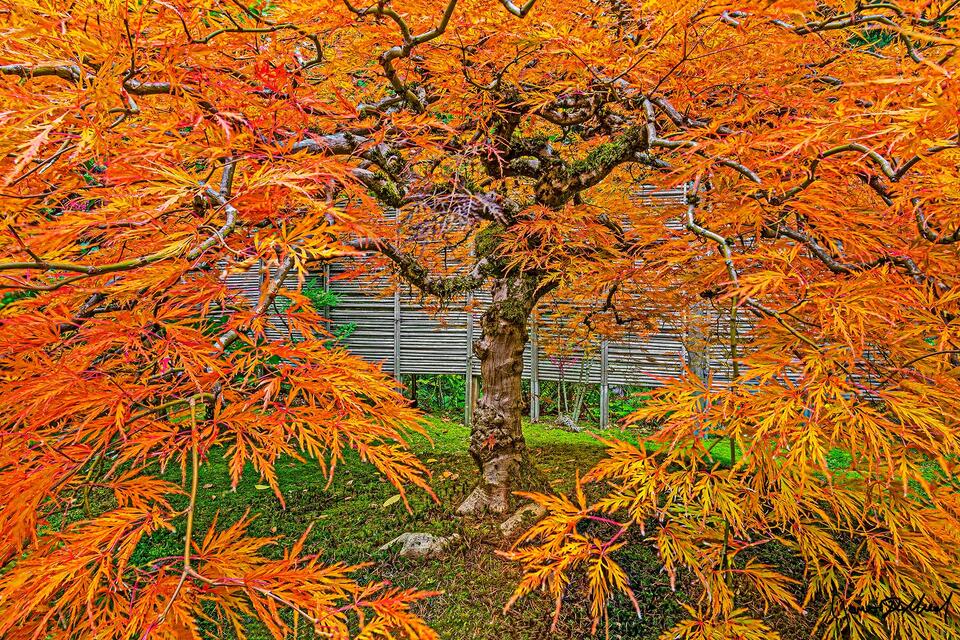
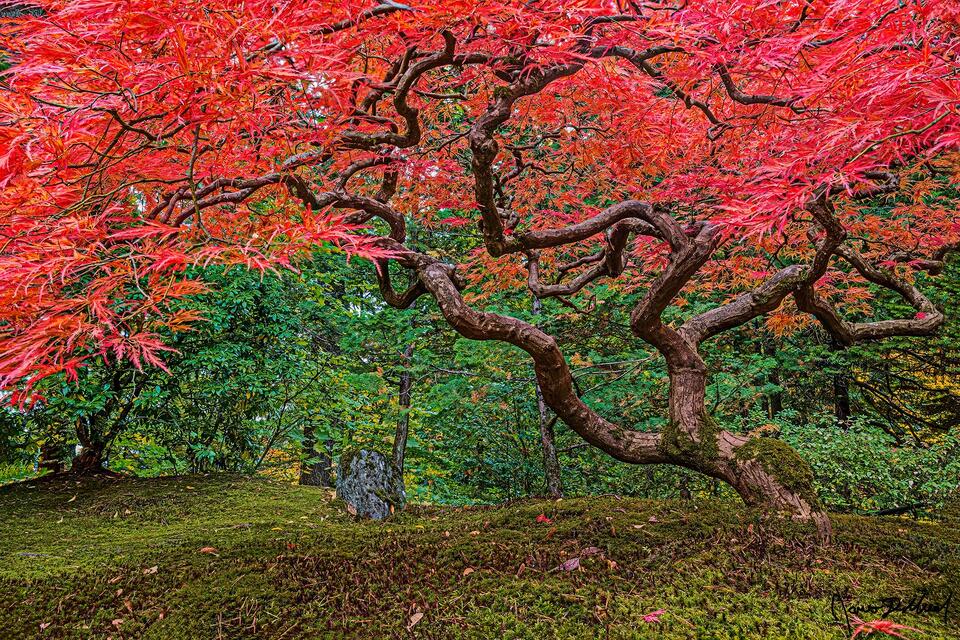
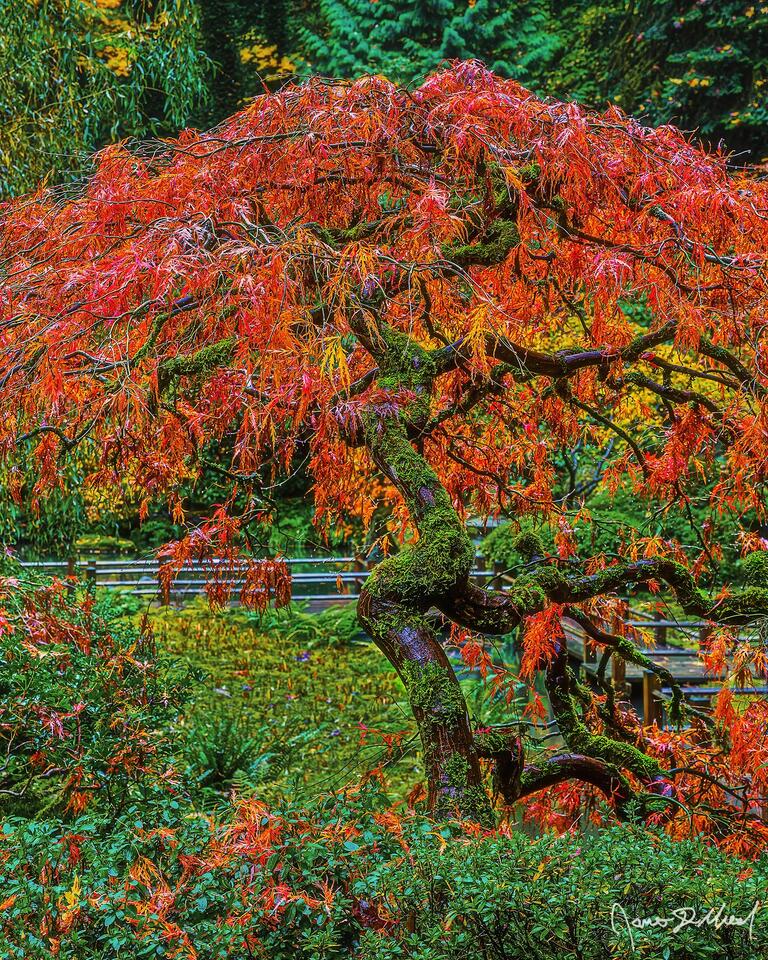
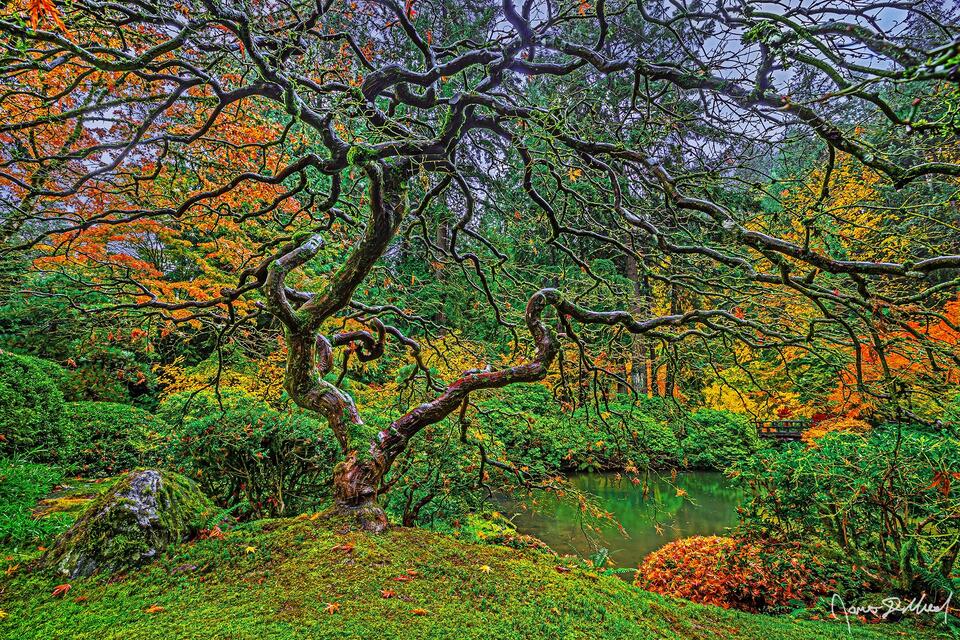
I’ve been visiting this place since long before the internet and the world famous "Tree of Life," also known as "The National Geographic Tree," put it on the map in 2011 and 2012 respectively. It has always been a favorite place of mine, especially in the fall when the brilliant red, orange and yellow hues adorn the Japanese Maple trees throughout the Japanese Garden. The Japanese Maple Fall Color here is spectacular, with several Japanese Maple trees at the Portland Japanese Garden featuring a unique shape and look which comes to life when the peak fall colors arrive. The famous "National Geographic Tree" is a weeping Laceleaf Japanese Maple (Acer palmatum 'Garnet'). It may get all the press and fame, but several other Japanese Maples in the garden come to life during peak fall color, equaling its beauty with equally unique shapes. There are two trees which have no official name that immediately come to mind. I've nicknamed them the 'Wings of the Phoenix Tree' and the 'Ruby Flame Laceleaf Japanese Maple,' names I coined as neither tree has an official name. Both are equally as stunning as the Tree of Life in their own right during peak fall color.
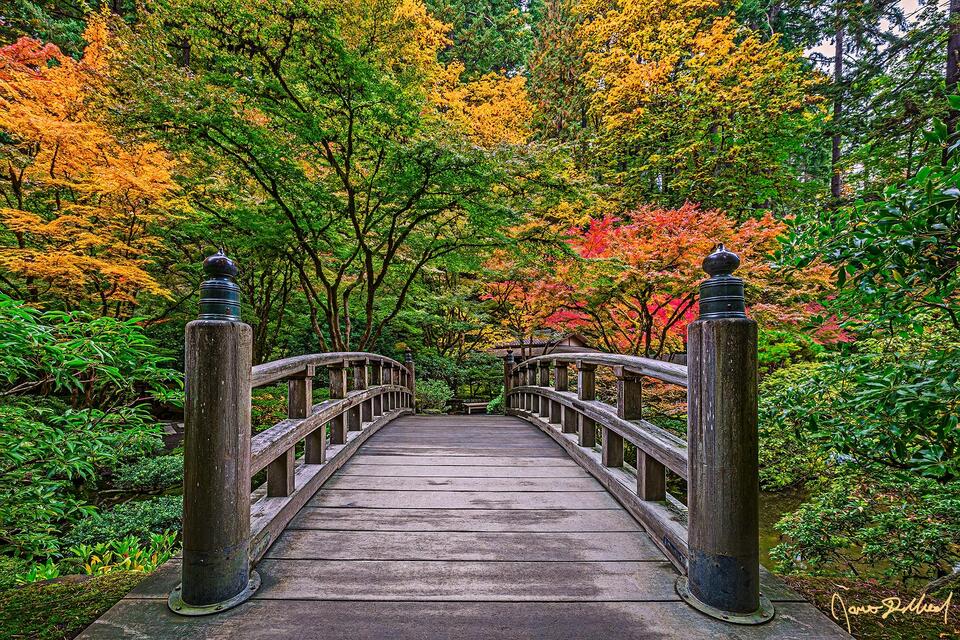
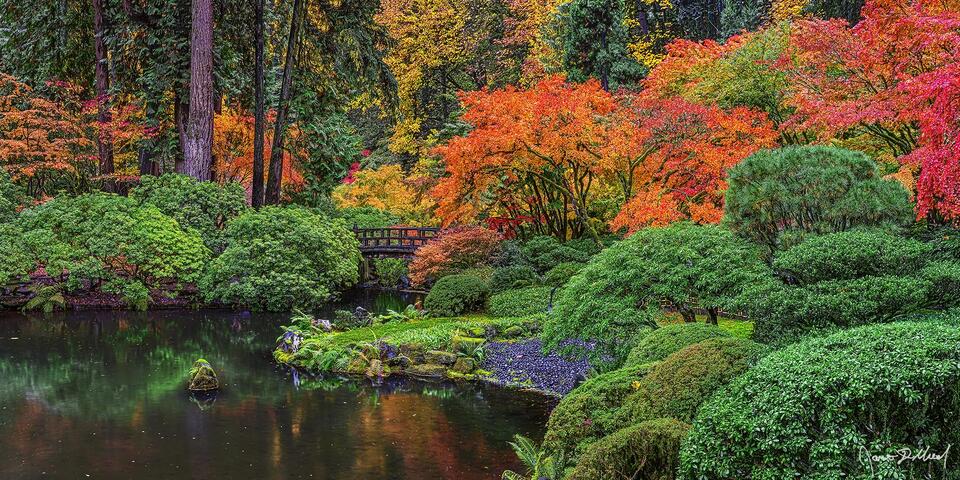
This Japanese Garden is filled with all sorts of wonders, from the world famous Portland Japanese Garden Japanese Maple to the famous Moon Bridge which crosses the Strolling Pond in the Upper Strolling Pond Garden. Moon Bridge is often surrounded by brilliant yellow, orange and red in the fall, which creates a magnificent color palette when the colors make their annual appearance.
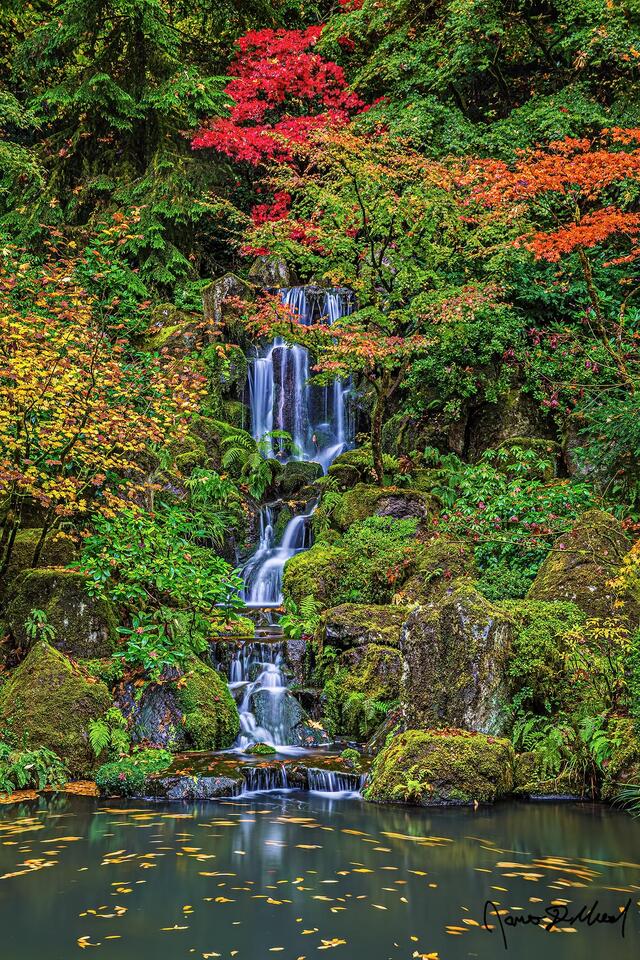
Heavenly Falls in the Portland Japanese Garden is located in the Lower Strolling Pond Garden just beyond the famous Zig-Zag Bridge. It was designed by Professor Takuma Tono of Tokyo Agricultural University to resemble a "River of Stars" (the Milky Way). It cascades over carefully placed boulders as it makes its way into the tranquil pond filled with Koi fish below. Professor Tono named it Heavenly Falls because the rushing water of the waterfall seemed as if it was descending straight from the cosmos.
As someone who has spent his entire life visiting the Portland Japanese Garden, I always come away with the feeling that there is nothing quite like the peace and tranquility of a beautifully designed Japanese Garden, especially during peak fall color. This gallery aims to bring the same feeling of peace and serenity I feel when I visit Japanese Gardens to others through my Fine Art Landscape Photography.